
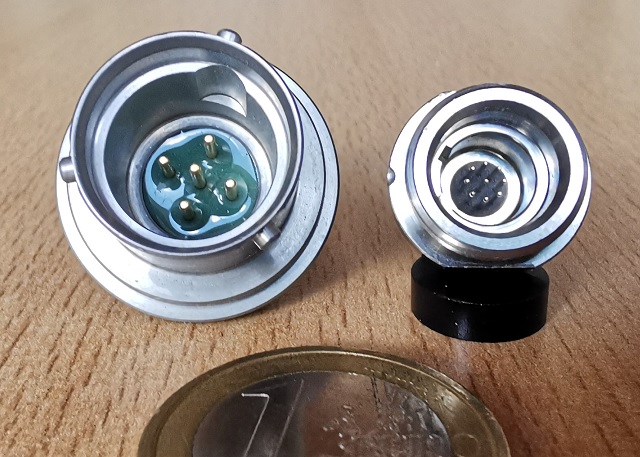
When it comes to selecting the perfect hermetic feedthrough for your specific application, there are several factors to consider. From the material of construction to the sealing method used, each component plays a crucial role in ensuring the reliability and performance of the feedthrough. In this article, we will delve into the key considerations to keep in mind when choosing the right hermetic feedthrough for your unique requirements.
What is a Hermetic Feedthrough?
A hermetic feedthrough is a critical component used to transmit electrical signals, fluids, or gases from one environment to another while maintaining a hermetic seal. This ensures that no contaminants can enter or escape the sealed environment, making it ideal for applications that require a high level of reliability and durability.
Types of Hermetic Feedthroughs
There are various types of hermetic feedthroughs available, each designed to cater to specific applications. Some common types include:
- Glass-to-Metal Seal Feedthroughs: These feedthroughs are known for their high reliability and ability to withstand extreme temperatures and pressures.
- Ceramic-to-Metal Seal Feedthroughs: Ideal for applications requiring a high level of thermal conductivity and resistance to corrosive environments.
- Compression Seal Feedthroughs: These feedthroughs use a compression seal to maintain the hermeticity of the connection, making them suitable for high-pressure applications.
Key Considerations for Choosing the Right Hermetic Feedthrough
1. Operating Environment
The first step in selecting the right hermetic feedthrough is to assess the operating environment. Consider factors such as temperature, pressure, and exposure to corrosive substances. This will help determine the material of construction and sealing method required for optimal performance.
2. Electrical Requirements
Depending on your application, you may require a hermetic feedthrough that can transmit high voltage or current levels. Ensure that the feedthrough meets the electrical specifications of your system to prevent any performance issues or failures.
3. Sealing Method
The sealing method used in a hermetic feedthrough plays a crucial role in maintaining the integrity of the seal. Common sealing methods include laser welding, epoxy sealing, and glass sealing. Choose a sealing method that aligns with your application’s requirements for reliability and performance.
4. Customization Options
In some cases, off-the-shelf hermetic feedthroughs may not meet your specific requirements. Look for suppliers that offer customization options to tailor the feedthrough to your unique specifications. This will ensure a perfect fit and optimal performance for your application.
Conclusion
Choosing the right hermetic feedthrough for your application is a critical decision that can impact the overall performance and reliability of your system. By considering factors such as operating environment, electrical requirements, sealing method, and customization options, you can ensure that you select a feedthrough that meets your needs effectively. Remember, investing in a high-quality hermetic feedthrough is essential for the long-term success of your application.
With these key considerations in mind, you can confidently navigate the process of selecting the perfect hermetic feedthrough for your specific requirements. By focusing on reliability, performance, and customization options, you can ensure that your application operates seamlessly and effectively, with the peace of mind that comes from choosing the right hermetic feedthrough.


More Stories
Business Line of Credit for Non Profit Organizations
How to Choose the Right Financial Services Provider
Mastering Your Money: Creative Budget Hacks to Save More and Spend Smarter