
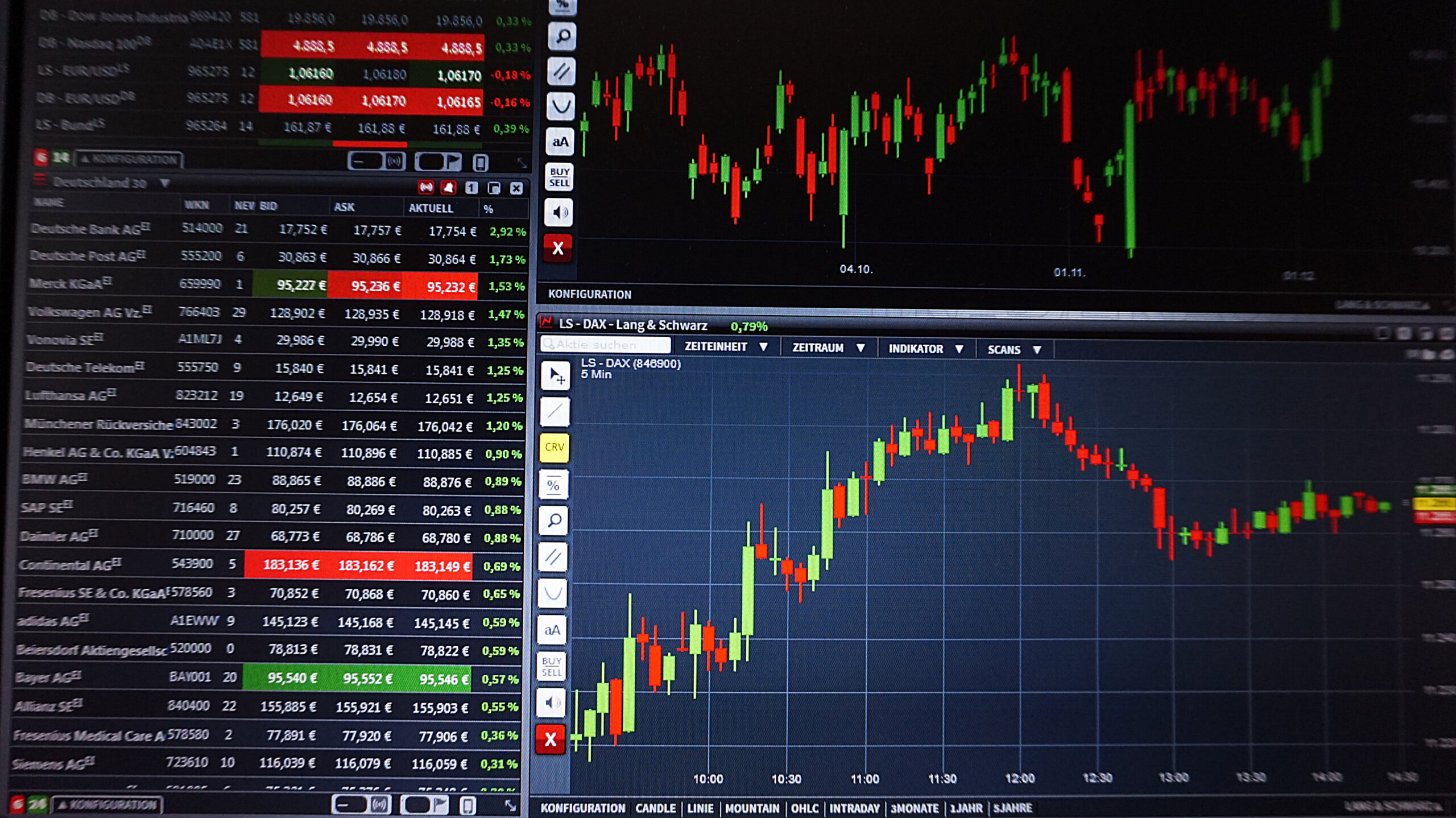
Foreign exchange, or forex, trading has become an increasingly important financial activity in the Middle East, as investors and institutions seek to capitalise on currency movements in a globally interconnected market. Unlike traditional investments in stocks or bonds, forex involves trading one currency against another, which requires a nuanced understanding of how currencies move relative to one another.
Among the many tools traders use to refine their strategies, understanding currency correlations is paramount. These correlations provide critical insights into market behaviour, risk management, and strategy optimisation.
Understanding Currency Correlations
Currency correlation refers to the statistical relationship between the movements of two currency pairs. When two pairs are positively correlated, they tend to move in the same direction, whereas negatively correlated pairs move in opposite directions. A correlation close to +1 indicates a strong positive relationship, while a correlation near -1 shows a strong inverse relationship. A correlation around zero suggests little to no predictable relationship between the pairs.
For traders in the Middle East, comprehending these correlations is more than an academic exercise; it is a practical necessity. The region’s financial markets are influenced by oil prices, geopolitical dynamics, and global economic indicators, all of which can affect currency movements. For instance, the US Dollar (USD) often exhibits strong correlations with oil-producing currencies such as the Saudi Riyal (SAR) or the Emirati Dirham (AED), which are pegged to the USD. Understanding these relationships allows traders to anticipate market shifts and adjust their positions accordingly.
How Correlations Influence Forex Strategies
Currency correlations impact forex strategies in several ways, starting with risk management. By knowing which pairs are correlated, traders can avoid unintentional overexposure. For example, holding long positions in both EUR/USD and GBP/USD might seem diversified at first glance, but these pairs are typically positively correlated. A significant movement in the US Dollar could simultaneously affect both positions, magnifying risk. Conversely, combining negatively correlated pairs can help hedge positions and stabilise returns.
Correlations also inform trading opportunities. Some traders leverage high correlations to predict price movements in one currency pair based on the performance of another. For example, if AUD/USD and NZD/USD exhibit a strong positive correlation, a trader observing a bullish trend in AUD/USD might anticipate a similar move in NZD/USD. This predictive use of correlations requires careful analysis and constant monitoring, as correlations can shift over time due to changing economic conditions, central bank policies, or geopolitical developments.
Additionally, correlations affect strategy design, particularly in portfolio diversification. Sophisticated traders construct forex portfolios by combining multiple pairs with low or negative correlations, reducing overall portfolio volatility. This approach mirrors diversification strategies in equity markets but requires a deeper understanding of macroeconomic factors that drive currency behaviour. In the Middle Eastern context, diversification may involve pairing emerging market currencies with major pairs like EUR/USD or USD/JPY to balance risk and potential return.
Practical Applications in the Middle East
The Middle East presents unique opportunities and challenges for forex traders, largely due to the region’s economic structure and currency policies. Many Gulf Cooperation Council (GCC) currencies are pegged to the US Dollar, creating inherently high positive correlations with USD-based pairs. Traders must account for this when building strategies, as the stability of these currencies can reduce volatility but also limit speculative opportunities.
Political developments and regional economic events also influence correlations. For instance, fluctuations in oil prices can indirectly affect non-oil currencies through global trade linkages. A trader analysing the relationship between the USD and the Turkish Lira (TRY) must consider external factors such as energy prices, regional trade policies, and international interest rate changes. Understanding these broader contexts allows traders to interpret correlations more effectively and make informed decisions.
For Middle Eastern traders looking to deepen their market knowledge, learning about the mechanics of currency correlations complements foundational knowledge of forex. Resources explaining what is forex trading and how does it work provide essential insights into market structure, trading instruments, and execution techniques. This understanding forms the baseline for integrating correlation analysis into more advanced strategies, ultimately enhancing trading precision and risk control.
Challenges of Relying on Correlations
While currency correlations are valuable tools, they are not static. Market correlations can change due to shifts in monetary policy, economic crises, or unexpected geopolitical events. Traders who rely solely on historical correlations without monitoring current conditions may face unexpected losses. Therefore, continuous analysis and adaptation are crucial. Many professional traders use statistical software or trading platforms that provide real-time correlation matrices, enabling more accurate and timely decisions.
Another challenge is overcomplication. Trying to manage too many correlated pairs simultaneously can dilute focus and increase complexity. Successful traders often prioritise a select few pairs, developing deep insights into their relationships and market behaviour. This disciplined approach balances the benefits of correlation analysis with practical strategy execution.
In conclusion
Currency correlations are more than just numbers on a chart—they are insights into the interconnectedness of global financial markets. For traders in the Middle East, mastering these correlations enhances risk management, informs strategy development, and opens doors to more sophisticated trading approaches.
By approaching forex trading with both analytical rigour and contextual awareness, traders can navigate the market with greater confidence, turning potential volatility into opportunities for growth.


More Stories
Business Line of Credit for Non Profit Organizations
How to Choose the Right Financial Services Provider
Mastering Your Money: Creative Budget Hacks to Save More and Spend Smarter